Archives
- 2026-06
- 2026-05
- 2026-04
- 2026-03
- 2026-02
- 2026-01
- 2025-12
- 2025-11
- 2025-10
- 2025-09
- 2025-03
- 2025-02
- 2025-01
- 2024-12
- 2024-11
- 2024-10
- 2024-09
- 2024-08
- 2024-07
- 2024-06
- 2024-05
- 2024-04
- 2024-03
- 2024-02
- 2024-01
- 2023-12
- 2023-11
- 2023-10
- 2023-09
- 2023-08
- 2023-07
- 2023-06
- 2023-05
- 2023-04
- 2023-03
- 2023-02
- 2023-01
- 2022-12
- 2022-11
- 2022-10
- 2022-09
- 2022-08
- 2022-07
- 2022-06
- 2022-05
- 2022-04
- 2022-03
- 2022-02
- 2022-01
- 2021-12
- 2021-11
- 2021-10
- 2021-09
- 2021-08
- 2021-07
- 2021-06
- 2021-05
- 2021-04
- 2021-03
- 2021-02
- 2021-01
- 2020-12
- 2020-11
- 2020-10
- 2020-09
- 2020-08
- 2020-07
- 2020-06
- 2020-05
- 2020-04
- 2020-03
- 2020-02
- 2020-01
- 2019-12
- 2019-11
- 2019-10
- 2019-09
- 2019-08
- 2019-07
- 2019-06
- 2019-05
- 2019-04
- 2018-11
- 2018-10
- 2018-07
-
In the current study we provide evidence that
2024-07-09
In the current study, we provide evidence that enhanced ATX activity correlates well with increased ATX protein concentration during cholestasis and pregnancy (Fig. 1). Hereby we have ruled out the possibility of ATX enzyme activation in these conditions, e.g. by circulating cholephiles. ATX clearan
-
The uterine muscle also changes to
2024-07-08
The uterine muscle also changes to meet the demands of pregnancy. Over the course of pregnancy, the myometrium undergoes structural remodeling to accommodate a growing fetus, followed by a functional switch from quiescent to contractile characteristics for parturition. Studies on the mouse model ind
-
Dopaminergic neurons are vulnerable to oxidative products an
2024-07-08
Dopaminergic neurons are vulnerable to oxidative products and inflammatory responses; these processes may play important roles in the etiology of PD. Because glial 17 alpha hydroxylase are the main generators of inflammatory responses in the CNS, the possibility that PD results from glial cell dysf
-
br Materials and Methods br Results br Discussion XHP
2024-07-08
Materials and Methods Results Discussion XHP is a traditional Chinese anti-cancer medicine that is widely used for the treatment and adjuvant treatment of breast cancer. XHP has been shown to induce apoptosis in various breast cancer DHEA in vitro, including Hs578T, MCF-7, and MDA-MB231 ce
-
br STAR Methods br Acknowledgments We thank Simcere Pharmace
2024-07-08
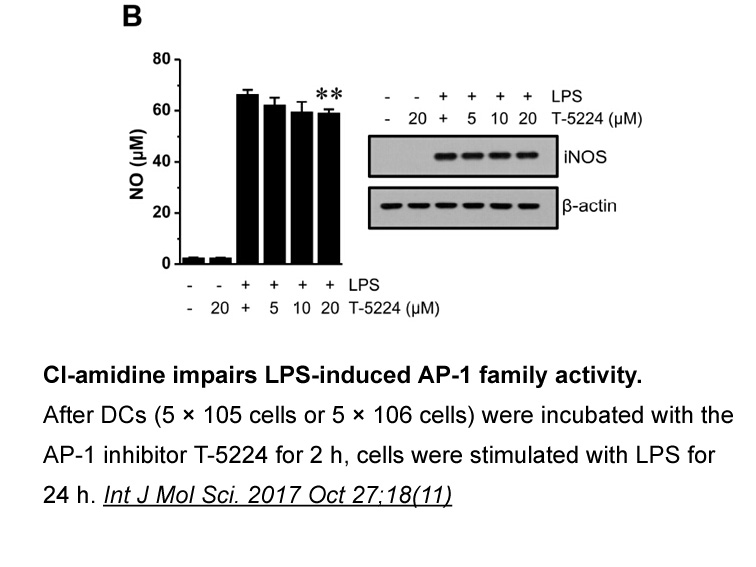
STAR★Methods Acknowledgments We thank Simcere Pharmaceuticals, Nanjing, China, for providing a rabbit anti-VEGF neutralizing monoclonal antibody. We thank Dr. Schlisio in the Ludwig Institute for Cancer Research, Karolinska Institute, for assistance with hypoxia assay. Y.C.’s laboratory is sup
-
In our study we provide
2024-07-08
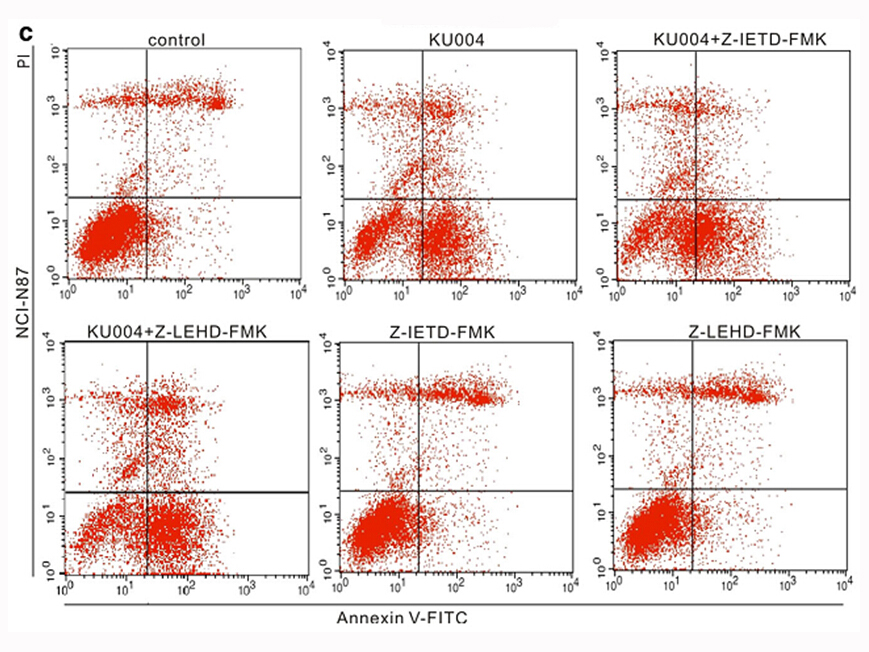
In our study we provide evidence for the existence of an endosome-lysosomal pathway for the proteolytic degradation of AR triggered by its interaction with the ESCRT-I component TSG101. The following findings of this study support this notion: (1) We showed that TS101 interacts with endogenous or ec
-
br Concluding Remarks and Future Perspectives
2024-07-08
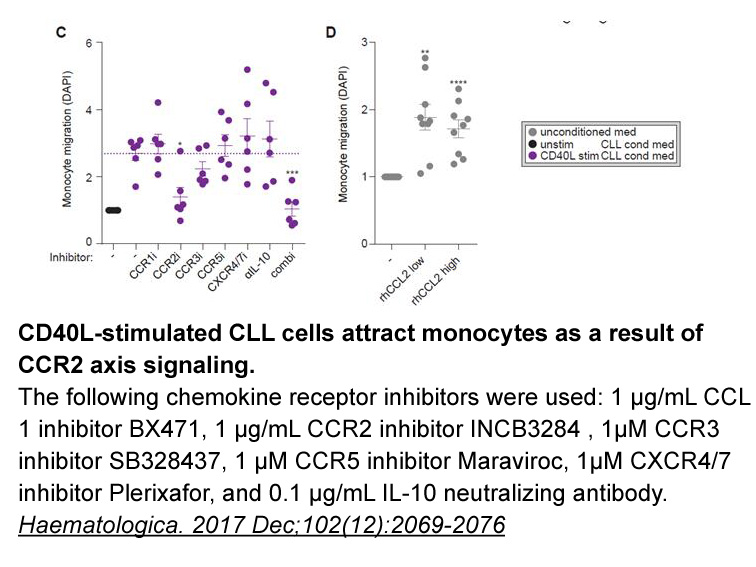
Concluding Remarks and Future Perspectives The collective evidence from studies detailing the functions of AMPK in the neuromuscular system, combined with those in DMD, SMA, and DM1 surveyed in the present review, strongly suggests that AMPK is a central mediator of neuromuscular determination, m
-
br The lipoxygenase pathway in the pancreatic islet
2024-07-08
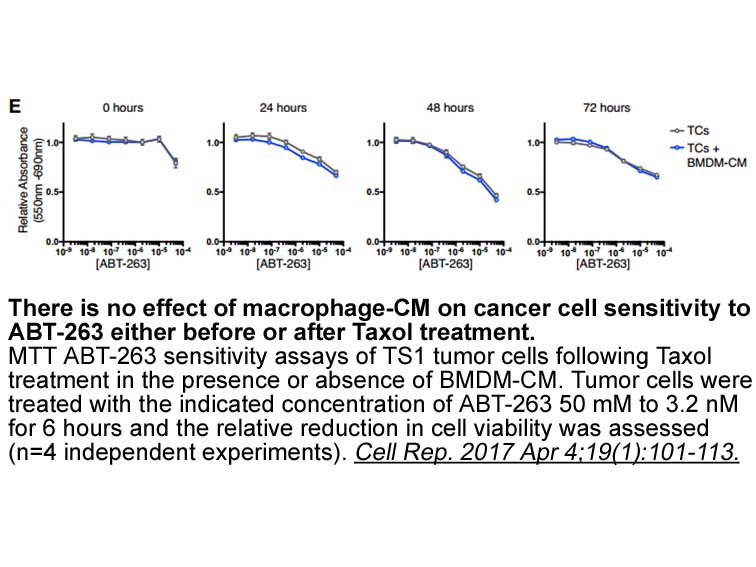
The 12/15-lipoxygenase pathway in the pancreatic islet and in diabetes mellitus Homeostasis of blood glucose is maintained by hormone secretion from the pancreatic islets of Langerhans. More specifically, insulin produced by the β AT9283 of the islet plays a major role in proper maintenance of bl
-
PF-06447475 The clinical impact of our findings is also
2024-07-08
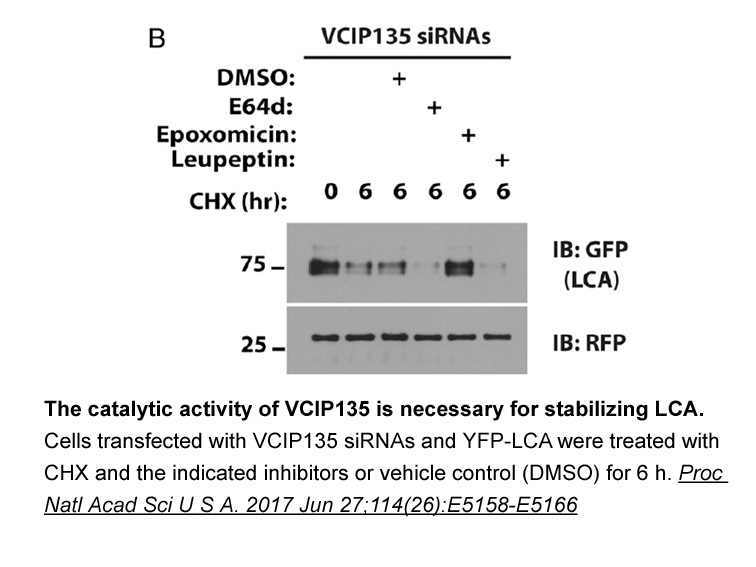
The clinical impact of our findings is also supported by our earlier report that the level of 12-LOX expression was correlated with the tumor stage and grade [17], [52] and that overall, 38% of patients demonstrated elevated levels of 12-LOX in prostate cancer tissue compared with their matching nor
-
To investigate the potential link between G and MT
2024-07-08

To investigate the potential link between Gβγ and MT assembly in vivo, cultured NIH3T3 and PC12 cells were used. The role of Gβγ in MT assembly was demonstrated using nocodazole, a MT depolymerizing drug [14]. We found that Gβγ was preferentially bound to MTs in NIH3T3 and PC12 cells and treatment w
-
The observation that vortioxetine blocks
2024-07-08

The observation that vortioxetine blocks 5-HT-induced currents in 5-HT3 receptor-expressing oocytes suggests that vortioxetine acts to functionally antagonize these receptors, and is in line with previously published data (Bang-Andersen et al., 2011). For example, Mørk et al. (2012) demonstrated tha
-
Mycophenolate Mofetil Introduction hydroxytryptamine HT is f
2024-07-08
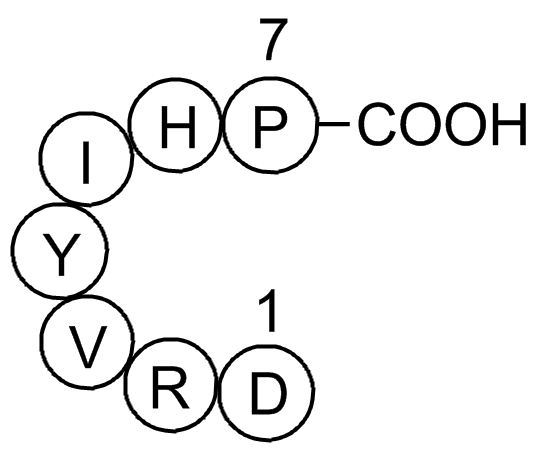
Introduction 5-hydroxytryptamine (5-HT) is found throughout the body and influences smooth muscle activity in various tissues including the intestine, vasculature and urinary Mycophenolate Mofetil (Kim and Camilleri, 2000, Klarskov and Horby-Petersen, 1986, Mohammad-Zadeh et al., 2008). The curren
-
Children with ADA SCID commonly suffer from a variety
2024-07-08
Children with ADA-SCID commonly suffer from a variety of opportunistic infections, including viral, fungal, and mycobacterial infections. Due to defects in 3280 and IG production, they are also susceptible to infection with encapsulated bacteria such as Haemophilus influenzae, Streptococcus pneumoni
-
Finasteride has been shown to be a mechanism based inhibitor
2024-07-06
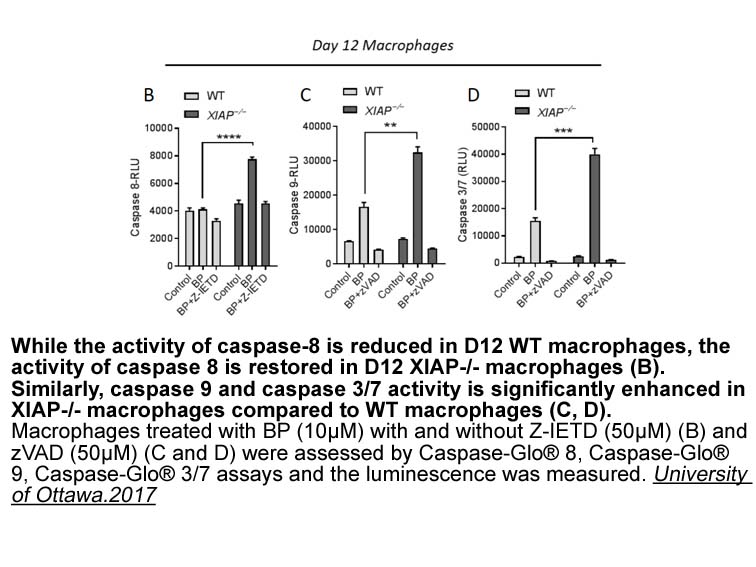
Finasteride has been shown to be a mechanism-based inhibitor of 5AR-2 [9]. Finasteride acts as an alternate substrate for 5AR-2 and is initially bound in an extremely stable enzyme-bound NADP-dihydrofinasteride adduct which is ultimately processed to dihydrofinasteride. The NADP-dihydrofinasteride a
-
Purification of Rv c In order to investigate the
2024-07-06
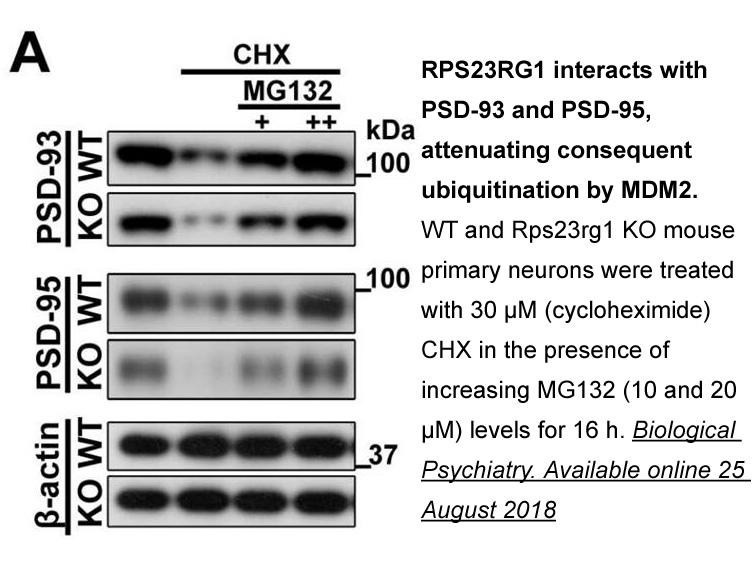
Purification of Rv2477c. In order to investigate the catalytic capabilities of Rv2477c, we expressed the protein as an N-terminal histidine-tagged fusion protein in E. coli BL21 cells and purified the protein by cobalt-affinity chromatography. As shown in Fig. 2A, the 65 kDa fusion protein was expre
16396 records 142/1094 page Previous Next First page 上5页 141142143144145 下5页 Last page